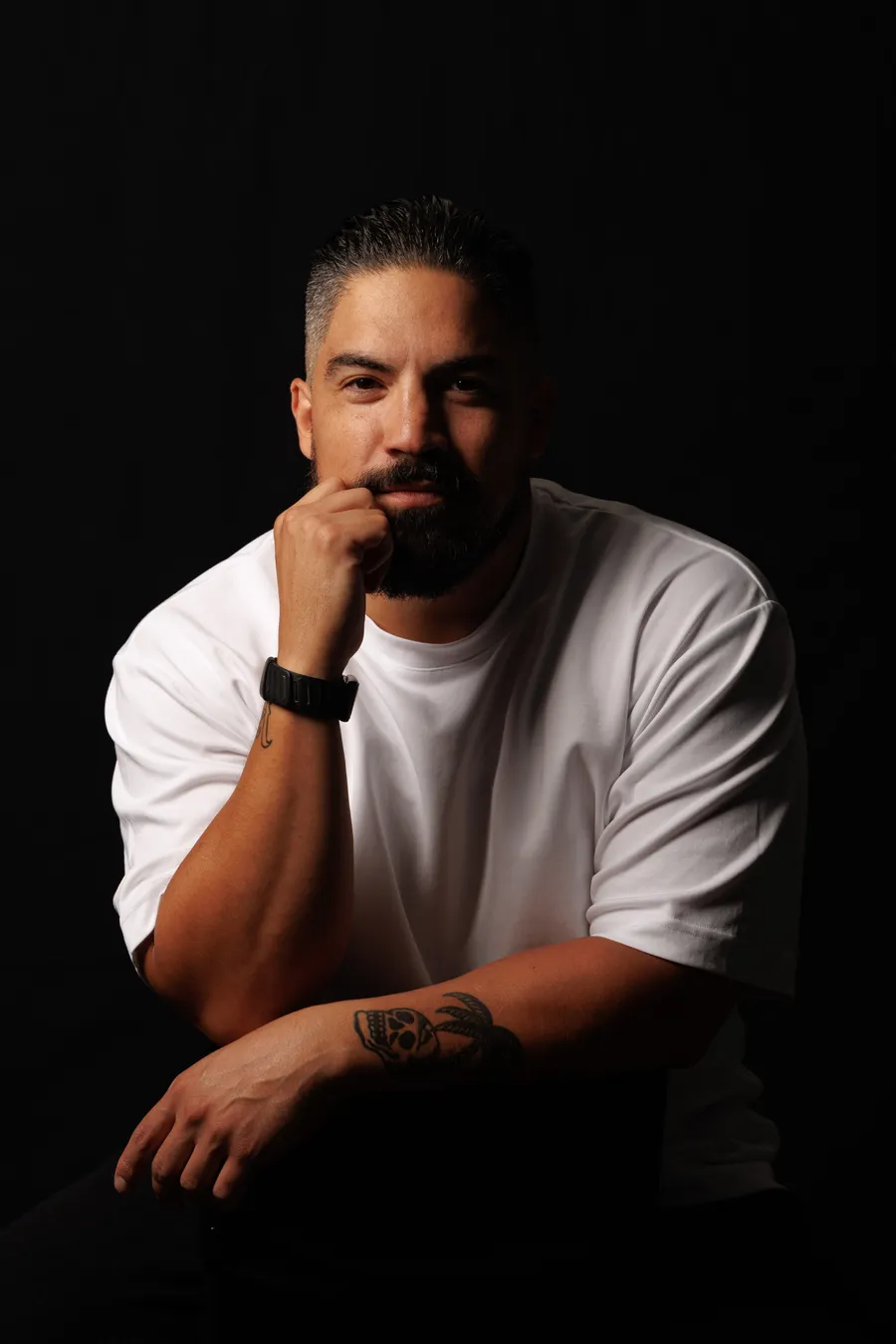
The Founder
From elite performance to a method built around the individual.
The Adaptive Performance Method began with a simple observation: performance is never just about the program. It’s about the person the program is being applied to and the system behind them.
The Story
For more than 20 years at Nike, I had the opportunity to work alongside elite athletes, coaches, practitioners, and performance teams.
I saw what high performance looks like up close: the preparation, the pressure, the resources, the people, and the incredibly small margins that can determine what happens when it matters.
But I also kept seeing something else.
Talent and resources did not always translate into performance. Not because people weren’t working hard enough.
Often, the challenge was that we were trying to solve the visible problem without fully understanding what was happening underneath it.
A limitation in performance could be influenced by regulation, recovery, movement, stress, capacity, environment, or simply the demands being placed on the individual in that moment. Just as often, it came from focusing too much on the direct result instead of its true source.
The more I worked across different athletes and environments, the clearer the pattern became: no two systems adapt in exactly the same way. And if the individual is different, the approach has to be different too.
The Realization
I became increasingly interested in a different question: not what program should this person follow, but what is actually happening, what is limiting their current capacity, and what does their system actually need next.
That shift changed the way I thought about performance. Assessment became more than a way to measure: it became a way to understand. Findings became more than observations: they became a way to prioritize. And programming became less about following a predetermined plan and more about responding to the individual in front of you.
That thinking became the foundation for the Adaptive Performance Method.
Why APM Exists
APM was created to bring that way of thinking into a more complete and connected methodology. It is built around a simple principle: understand before you intervene.
Every person is already adapting to something: Training. Stress. Recovery. Environment. Life. Competition. Experience.
The question is whether the system has the capacity to meet those demands, and what needs to change when it doesn’t.
APM brings those pieces together to help identify what matters most, restore what needs to be restored, build what needs to be built, and adapt that capacity into real performance.
Not a generic program applied to an individual. An approach that adapts to the individual.
What I Believe
The individual comes before the program. There is no universal starting point. Performance is defined by the individual, and no two systems adapt the same.
Assessment should lead to better decisions. We don’t assess for the sake of collecting information. We assess to understand what matters.
Restore before overload. Capacity cannot always be built by adding more demand.
Build what is needed. Strength, movement, resilience, recovery, and performance capacity all have to serve a purpose.
Progress is adaptation. The calendar tells us how long someone has trained. It doesn’t tell us how they’ve changed.
Performance is contextual. How someone performs depends on the system, the demand, and the environment in which performance has to be expressed.
The goal is capability. The best outcome isn’t dependence on a coach or a methodology. It’s a person who understands their own capacity and is better able to adapt.
Beyond The Individual
APM started from my own experience, but I don’t see it as something that should remain limited to my own practice.
The methodology is being developed as a framework that can bring together coaches, practitioners, specialists, and athletes around a shared way of understanding performance. Because no single person has every answer.
That matters to me.
APM is designed to be authoritative without pretending to be absolute, grounded in what we can assess, curious about what we don’t yet understand, and open to expertise wherever it exists.
The long-term vision is bigger than a coaching practice: a methodology, a community of practitioners, a network of expertise, a place for people to develop their capacity and understand their performance more deeply.
My Purpose
I believe APM can create meaningful impact, not only on the field, court, track, ring, or in competition.
Performance influences confidence, health, identity, longevity, leadership, relationships, and the quality of the life built around it.
That’s why I care about building a system that goes beyond helping someone perform better on a good day. I want to help people become more capable of adapting when the conditions aren’t perfect, because that’s where performance becomes meaningful.
JB Garcia
Founder & Performance Coach
Adaptive Performance Method (APM)
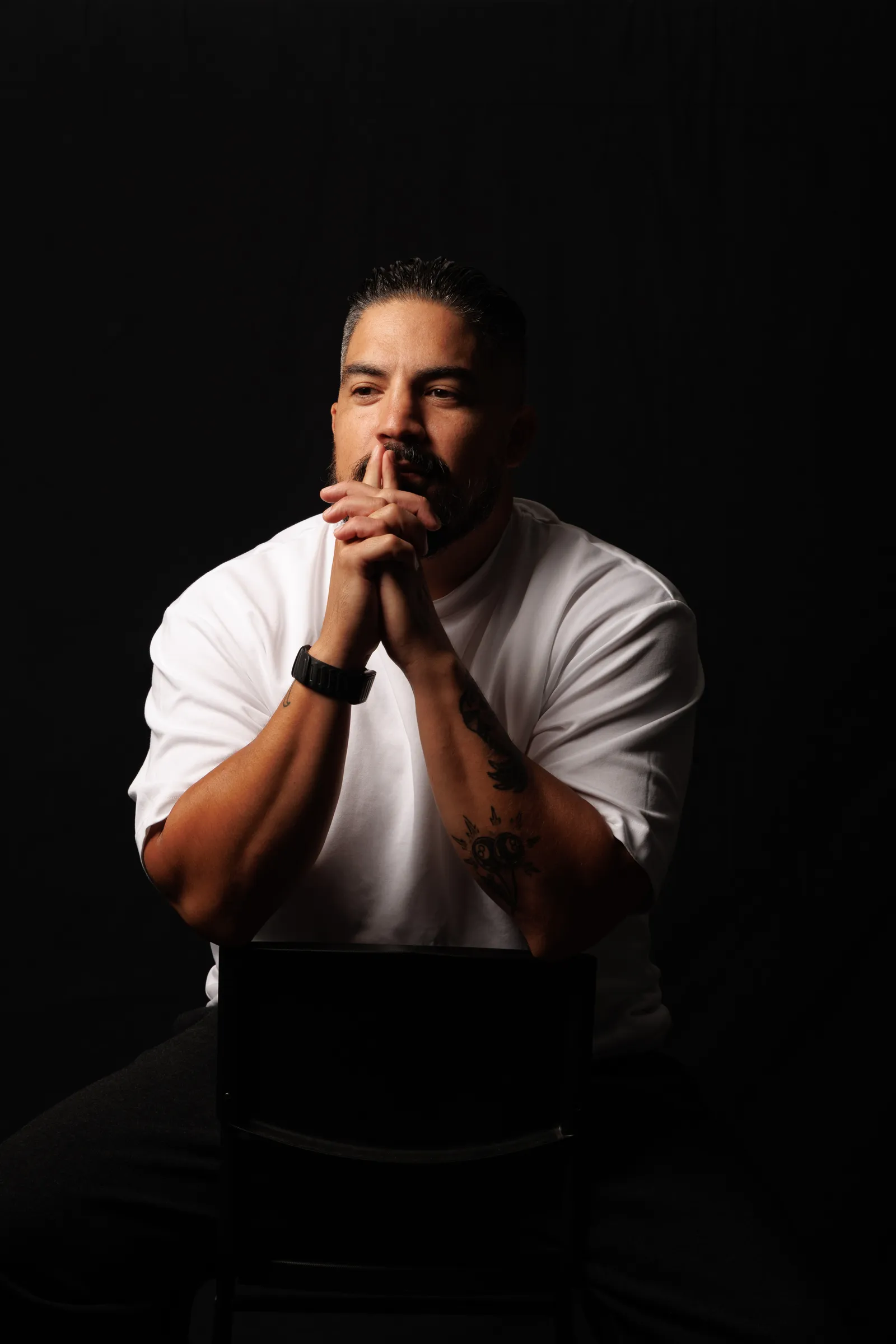
Understand before you intervene.

Understand the person. Find what matters. Adapt the approach. Build the capacity. Express the performance.